


The Middle East LED lighting market is expected to grow at a CAGR of 12.1% during the forecast period (2022-2027). The demand for LED products is growing owing to various supportive government regulations and increasing commercial construction projects including cinemas and shopping malls.
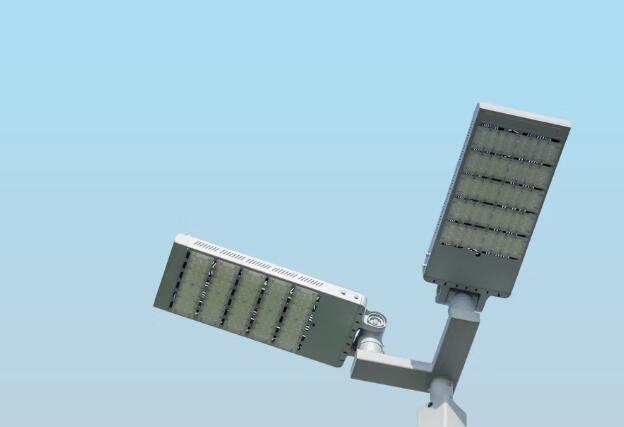
According to LED lighting data, about 22% of electricity in the Middle East is used for lighting. Rising awareness about the use of energy-efficient lighting solutions is driving the demand for LED lighting in Middle Eastern countries. Due to the various characteristics of LEDs, including high energy efficiency, long lifespan, environmental protection, high durability and small size, LED lights are increasingly replacing traditional lighting products.
LED lights use about 50% less electricity than traditional fluorescent, incandescent and halogen lights. For spaces that are lit for long periods of time, such as commercial buildings, offices, etc., having these features can help save significant energy costs.
The Middle East LED lighting market is growing as rising demand for LED lighting attracts new players. To meet the rising demand and expand their reach, vendors are focusing on developing new products, partnerships, and acquisitions. Some of the key players operating in the market include Apple Lighting Co., Rikada LED, RR Global, and National Lighting.
According to the ITU, Saudi Arabia is currently building 16 smart cities to meet its goal of becoming the most connected and digitalized country by 2030. This is expected to provide a significant opportunity for the growth of the LED lighting market during the forecast period.


