


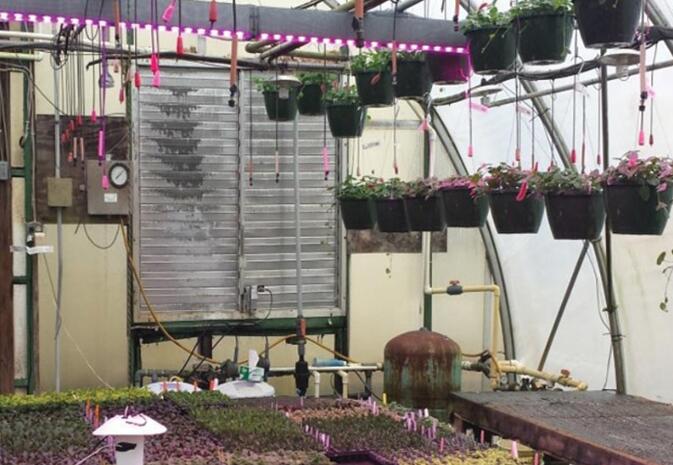
It is not difficult to see from the design of the mobile supplementary light device that the design of the plant factory supplementary light system is usually based on the light intensity, light quality, and photoperiod parameters of different crop growth periods, as well as the special means of terminal regulation. The core content of the design relies on the intelligent control system to Implement and implement to achieve the ultimate goal of energy saving and high yield. At present, the design and construction of supplementary light for leafy vegetables has gradually matured. For example, leafy vegetables can be divided into four stages: seedling stage, mid-growth stage, late stage of growth and terminal disposal; fruit vegetables can be divided into seedling stage, vegetative growth stage, flowering stage, and harvest stage. From the perspective of supplementary light intensity attributes, the light intensity in the seedling stage should be slightly lower, ranging from 60 to 200 mol/(m2·s), and then gradually increase. Leafy vegetables can be up to 100-200 mol/(m2 s), fruit vegetables can reach 300-500 mol/(m2 s), so as to ensure the requirements of light intensity for photosynthesis of plants in each growth period and achieve the needs of high yield ; For light quality, the ratio of red to blue is crucial. In order to increase the quality of seedlings and prevent leggy growth in the seedling stage, the ratio of red to blue is generally set at a low level [(1-2):1], and then gradually reduced to meet the needs of plant photomorphology. Settings (3 to 6): 1. For the photoperiod, similar to the light intensity, it should show an increasing trend with the extension of the growth period, so that the leafy vegetables have more photosynthetic time for photosynthesis. The supplementary light design of fruit and vegetables will be more complicated. In addition to the above basic rules, the photoperiod setting during the flowering period should be focused on, and the flowering and fruiting of vegetables must be promoted to avoid the opposite effect. It is worth mentioning that the light recipe should include the content of the light environment setting at the end of the treatment. For example, the yield and quality of hydroponic leafy vegetable seedlings can be greatly improved by continuous light supplementation, or the sprouts and leafy vegetables (especially purple vegetables) can be significantly improved by UV treatment leaf and red-leaf lettuce) nutritional quality.
In addition to optimizing and supplementing light for selected crops, the light source control systems of some artificial light-type plant factories have also developed rapidly in recent years. This control system is generally based on B/S architecture, which can remotely control the temperature of the crop growth process through WIFI. , humidity, light, CO2 concentration and other environmental factors are automatically controlled, and the production method is not restricted by external conditions. This intelligent supplementary light system uses LVD electrodeless lamps as the supplementary light source, combined with the remote intelligent control system, which can meet the wavelength illumination requirements of plants, and is especially suitable for light-controlled plant cultivation environments, which can well meet market demands.


