


Health lighting, popularly speaking, is to improve and improve the conditions and quality of people's work, study, and life through LED lighting to promote mental and physical health.
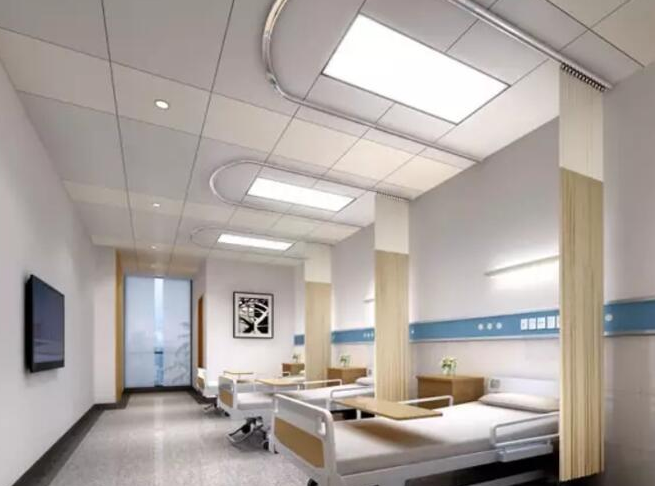
The biological effects of light on people can be divided into visual effects and non-visual effects.
(1) The visual effect of light:
Visible light passes through the cornea of the eye, is imaged on the retina through the lens, and is converted into physiological signals by the photoreceptor cells. After the optic nerve receives it, it produces vision, thereby generating judgment on the color, shape, and distance of objects in space. Vision can also cause people to respond to psychological mechanisms. This is the psychological effect of vision.
There are two types of visual cells: one is cone cells, which sense luminosity and color; the second is rod-shaped cells, which can only sense luminosity, but the sensitivity is 10,000 times that of the former.
Many phenomena in daily life belong to the visual effect of light:
Bedrooms, restaurants, cafes, warm colors (such as pink and light purple) make the whole space have a warm and relaxed atmosphere, while making people's skin and face look healthier.
In summer, blue and green light will make people feel cool; in winter, red makes people feel warm.
Intense colorful lighting can make the atmosphere lively and vivid, increasing the bustling and festive atmosphere.
Modern family rooms also often use some red and green decorative lights to decorate the living room and dining room to increase the joyful atmosphere.
Some restaurants have neither overall lighting nor table-top chandeliers, and only use the weak candlelight to illuminate the atmosphere.
(2) The non-visual effect of light, ipRGC found:
There is a third type of photoreceptor cells-intrinsically photosensitive reTInal ganglion cells (ipRGCs) on the retina of the human eye, which is responsible for regulating non-visual effects other than the body's vision, such as the function of managing time, coordinating and controlling the rhythm and amplitude of people's activities in different periods.
This non-visual effect is also known as citopic effects (citopiceffects). This is what Berson, Dunn and Takao of Brown University in England discovered in mammals in 2002. It is one of the ten largest discoveries in the world in 2002.
Studies have shown that the non-visual effect of house mice is at 465nm, but for humans, genetic studies have shown that it should be between 480 and 485nm (peaks of cone cells and rod cells are 555nm and 507nm, respectively).
(3) The principle of ipRGC controlling biological clock:
IpRGC has its own neural transmission network in the human brain, which is very different from the visual neural transmission network. After receiving light, ipRGC generates bioelectrical signals, which are transmitted to the hypothalamus (RHT), and then enter the suprachiasmatic nucleus (SCN) and extra-brain nerve nucleus (PVN) to reach the pineal gland (Pineal).
The pineal gland is the center of the brain's circadian clock, and it secretes melatonin. After melatonin is synthesized, it is stored in the pine cones. Sympathetic excitement innervates the pineal gland cells to release melatonin into the flowing blood and induces natural sleep, so it is one of the most important hormones to regulate the circadian rhythm.
Melatonin secretion has obvious circadian rhythm, secretion during the day is suppressed, and secretion is active at night. However, the excitability of sympathetic nerves is closely related to the energy and color of the light reaching the pineal gland, and the light color and light intensity will affect the secretion and release of melatonin.
In addition to regulating the biological clock, ipRGC has an impact on human heart rate, blood pressure, alertness, vitality, etc., which are all non-visual effects of light. In addition, the physiological damage caused by light should also be attributed to the non-visual effect of light.


